

Vzdrževanje copat doma za daljšo življenjsko dobo
Katera osnovna pravila vzdrževanja copat doma res delajo razliko?
Copate imamo obute večji del dneva, pogosto dlje kot katerokoli drugo obutev. Prav zato pravilno pranje, sušenje in nega niso le priporočilo, temveč pogoj za to, da copati zdržijo dolgo in ostanejo prijetni za nošenje.
Osnovna pravila, ki jih velja upoštevati:
- Čiščenje prilagodite materialu: tekstil, usnje in volna zahtevajo vsak svoj pristop.
- Copat nikoli ne sušite na radiatorjih ali v bližini grelnih teles.
- Shranjujte jih v zračnih prostorih, ne v zaprtih plastičnih vrečkah.
- Copate nosite izključno v notranjih prostorih, da zmanjšate obrabo podplata in materiala.
- Redno osveževanje vonja in prezračevanje preprečita razvoj bakterij in neprijetnih vonjav.
Kako čistiti copate glede na material?
Čiščenje copat ni enako za vse. Material določa, katero sredstvo in postopek sta primerna.
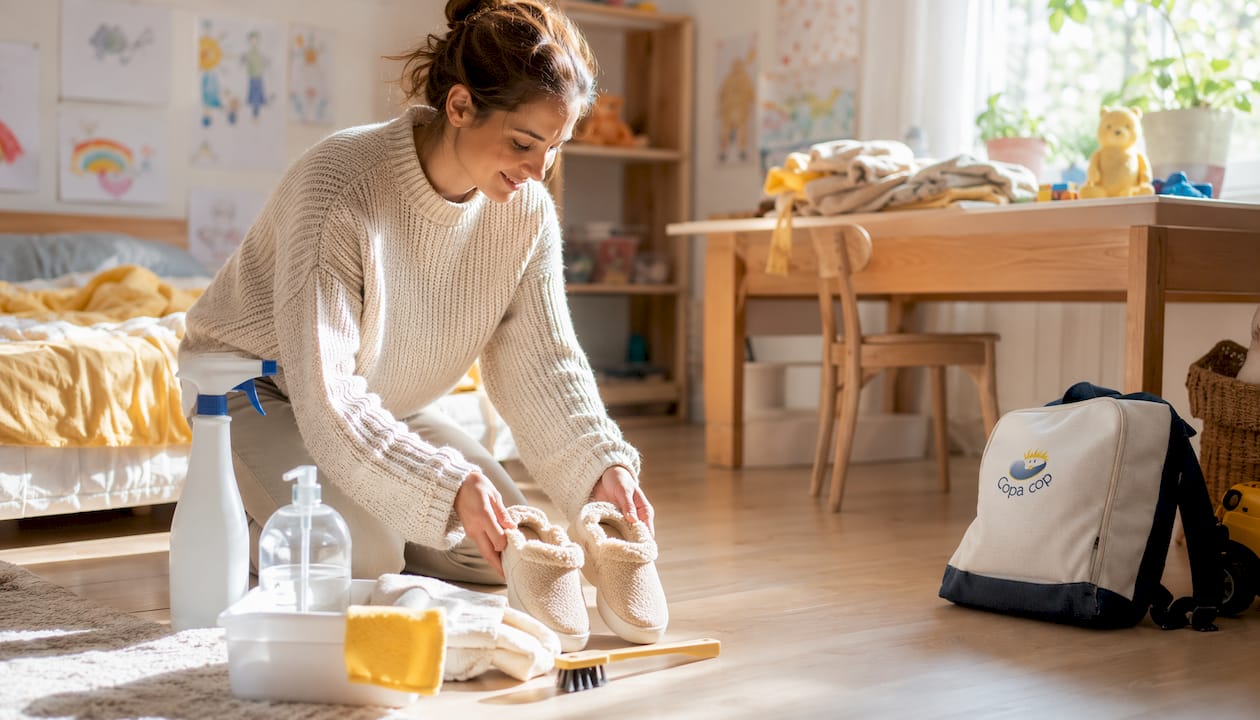
Tekstilni copati so najpogostejši in hkrati najlažji za vzdrževanje. Večino jih lahko operete v pralnem stroju pri 30 °C na programu za občutljivo perilo. Pred pranjem preverite navodila proizvajalca, saj nekateri tekstili zahtevajo ročno pranje. Trdovratne madeže pred pranjem rahlo navlažite in nežno podrgnite s ščetko.
Usnjeni copati so v slovenskih domovih zelo priljubljeni, a zahtevajo nežnejšo roko. Usnjenin copat ne perite v pralnem stroju, temveč jih čistite z vlažno krpo iz mikrofibre. Po čiščenju nanesite balzam za usnje, ki ohranja material mehak in prožen. Milo in agresivna čistila usnje izsušijo in poškodujejo.
Volneni in krzneni copati potrebujejo posebno pozornost pri notranjosti, kjer se hitro razmnožijo bakterije. Soda bikarbona učinkovito odstrani maščobne madeže: potresite jo po notranjosti, pustite nekaj ur, nato posesajte. Za površinske madeže uporabite mehko krtačo za semiš.
- Za neprijetne vonjave: soda bikarbona ali pesek za mačja stranišča v nogavici, vstavljeni v copat čez noč, vpijeta vlago in vonj.
- Za globinsko čiščenje tekstila: pasta iz sode bikarbone, kapljice detergenta za posodo in vode, nanesena s staro zobno ščetko.
Strokovni nasvet: Pred prvo uporabo novih copat jih impregnirajteza zaščito pred vlago in umazanijo. Tanek zaščitni sloj olajša vsako nadaljnje čiščenje in podaljša življenjsko dobo materiala.
Kako pravilno sušiti in shranjevati copate?

Sušenje je korak, pri katerem se naredi največ napak. Copat ne sušite na radiatorjih ali neposredno ob virih toplote, saj visoka temperatura poškoduje lepila in materiale ter skrajša življenjsko dobo.
Pravilni postopek sušenja:
- Po pranju ali mokrem vremenu vstavite časopisni papir v notranjost copat, ki vpije vlago in ohrani obliko.
- Copate pustite sušiti na zraku pri sobni temperaturi, stran od neposredne sončne svetlobe.
- Krznene copate lahko posušite s sušilnikom za lase, a izključno na hladni stopnji.
Shranjevanje prav tako vpliva na to, kako dolgo copati ohranijo obliko in svežino:
- Shranjujte jih v prezračenem prostoru, ne v zaprtih plastičnih vrečkah, kjer se zadržuje vlaga.
- Pred sezonskim shranjevanjem copate očistite in jih napolnite s papirjem, da ohranijo obliko.
- Redno prezračevanje, tudi ko copate niso v uporabi, preprečuje razvoj plesni in vonjav.
Katere napake pri negi copat pospešijo obrabo?
Nekatere navade, ki se zdijo nedolžne, copate postarajo hitreje, kot bi pričakovali.
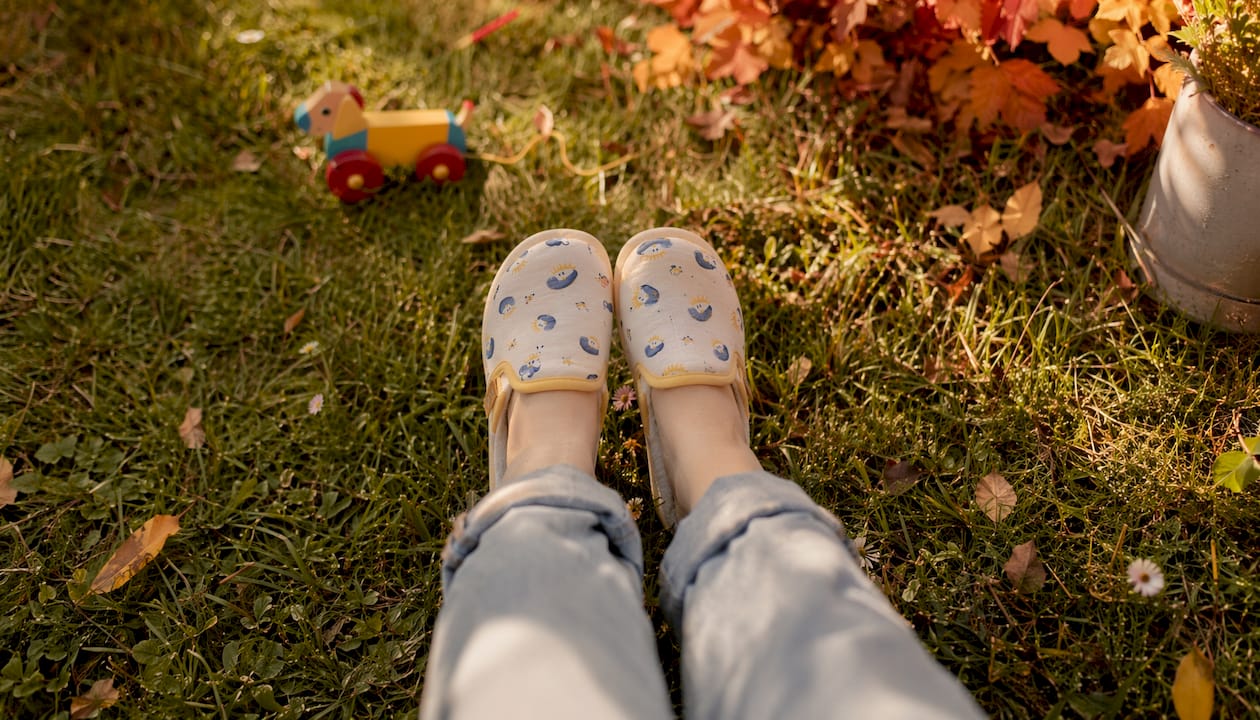
Nošenje zunaj je ena najpogostejših napak. Grobe površine, kot so beton ali asfalt, povzročijo mikro poškodbe na materialu, ki se sčasoma razvijejo v raztrganine ali luknje. Hišni copati so narejeni za mehke talne obloge, ne za dvorišče.
Agresivna čistila pri usnjenih copatih naredijo več škode kot koristi. Usnje izsušijo, razbarvajo in zmanjšajo njegovo prožnost. Enako velja za pranje usnjenih copat v pralnem stroju pri visoki temperaturi.
Prezrte vonjave so pogosto znak, da je čas za temeljito čiščenje. Ignoriranje vonjav pomeni, da bakterije v notranjosti copata delujejo naprej in postopoma razgrajujejo material.
- Pretesni copati povzročijo pritisk na šive in tkanino, kar vodi v luknje pri prstih.
- Neprimerna velikost skrajša življenjsko dobo copat in povzroča nelagodje pri nošenju.
Nasveti za nego in izbiro copat, ki jih cenimo v Sloveniji
Dobro vzdrževanje se začne že pri nakupu. Pravilna velikost in material sta odločilna dejavnika za to, kako dolgo bodo copati zdržali. Copati, ki so pretesni ali preširoki, se obrabijo hitreje in pri otrocih ovirajo zdrav razvoj stopal.
Za tiste, ki imajo težave s prekomerno potnimi stopali, so zračni materiali kot tkanine in volna boljša izbira kot usnje, saj omogočajo boljši pretok zraka. Usnjeni copati so trpežnejši in primernejši za bolj živahne otroke.
Manjše poškodbe, kot so razprti šivi ali olupljeni robovi, pogosto popravimo sami doma. Šivanje razprtega šiva z močno nitjo podaljša uporabnost copata za mesece. Ko pa se pojavijo luknje ali copata ni več mogoče povrniti v prvotno stanje, je čas za zamenjavo.
Copa-cop pri svojih copatih iz naravnih in zračnih materialov posebej skrbi za ergonomski podplat in kakovost šivov, kar pomeni manj težav pri vzdrževanju in daljšo življenjsko dobo. Vsak par je zasnovan tako, da vzdrži vsakodnevno rabo in ostane udoben skozi ves dan.
Če iščete copate, ki so narejeni za dolgo pot in jih je enostavno negovati, si oglejte Copa-copovo ponudbo. Otroški tekstilni copati Barefoot Hearts so narejeni iz naravnih materialov z upogljivim podplatom, ki podpira zdrav razvoj stopal. Za fantke so na voljo tudi usnjeni copati Boy’s Uni, ki združujejo trpežnost in mehkobo.
Ključne ugotovitve
Redno čiščenje, pravilno sušenje in shranjevanje v zračnih prostorih so trije stebri, ki skupaj odločilno podaljšajo življenjsko dobo copat doma.
| Točka | Podrobnosti |
|---|---|
| Čiščenje po materialu | Tekstil perite v stroju pri 30 °C, usnje čistite z vlažno krpo in balzamom, volno s sodo bikarbono. |
| Sušenje brez toplote | Copate sušite na zraku pri sobni temperaturi, nikoli na radiatorjih ali v bližini grelnih teles. |
| Shranjevanje v prezračenem prostoru | Izogibajte se plastičnim vrečkam; pred shranjevanjem copate napolnite s papirjem za ohranjanje oblike. |
| Pravilna velikost preprečuje obrabo | Pretesni copati povzročijo luknje pri prstih in razpiranje šivov, kar skrajša življenjsko dobo. |
| Osveževanje vonja doma | Soda bikarbona ali pesek za mačja stranišča v nogavici čez noč učinkovito vpijeta vlago in vonj. |


