

Slovenian parents: an alternative to Rollyslippers in 5 points
Yes, good Slovenian alternatives to Rolly slippers exist and are readily available, without waiting for a package from abroad. Copa cop offers several models for school and home, made from natural materials with a flexible sole. When choosing, look at three things: the material, the fit according to the 10–12 mm rule and the flexibility of the sole. If you get these right, you are on the safe side.
In brief:
- If a child wears slippers made of natural-fibre material, it is recommended that the fit between the toes and the tip be approximately ten to twelve millimetres to ensure comfort and proper foot development.
- When choosing a model, it is also important to consider the construction of the sole, which should bend where the foot naturally bends as well; otherwise, there is a risk of inadequate support.
- Materials such as leather, cotton and wool improve the breathability of footwear, reducing sweating and preventing fungal growth, while synthetic materials more often retain moisture.
- It is best to measure a child's foot in the evening, together with creating a description in the size charts, and to add 10 to 12 millimetres of room for socks and growth.
- When buying, it is recommended to choose a model with the option to exchange or return it, and to check the conditions for free shipping on orders over 50 euros to reduce the risks of online shopping.
Table of contents
- Quick overview: which Copa cop model is right for whom
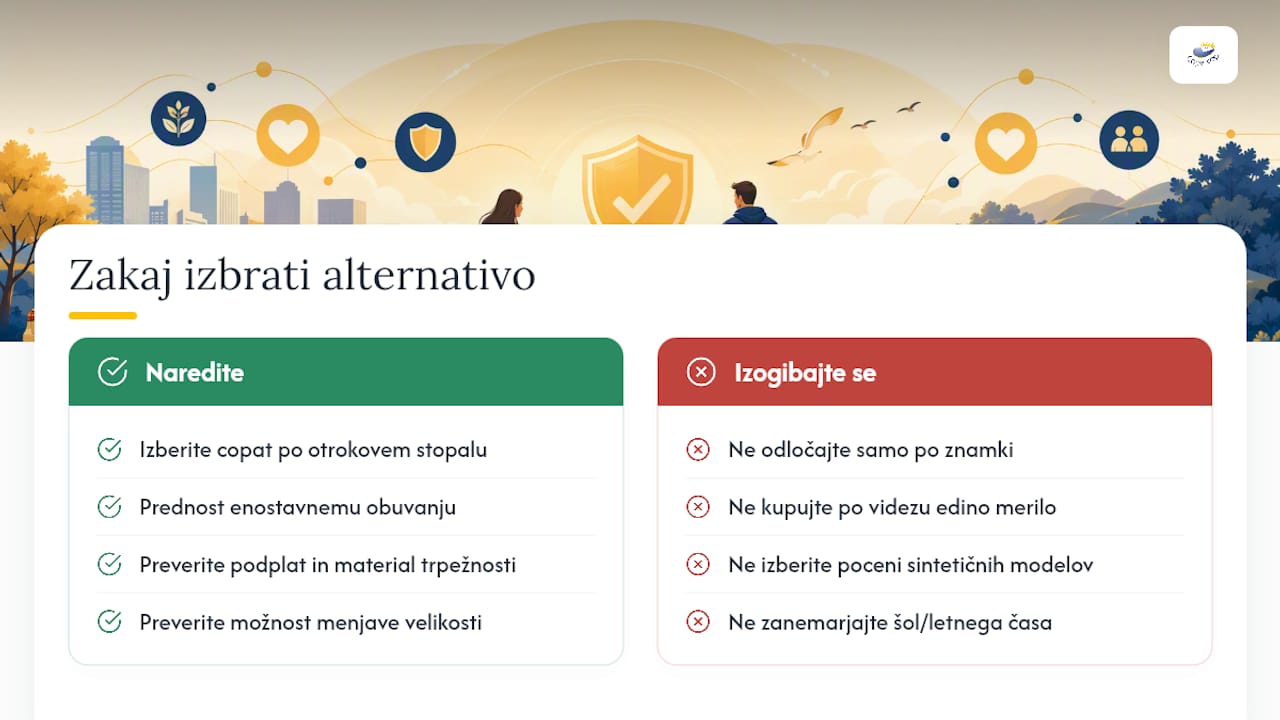
- Checklist: what to check before buying an alternative
- Leather or textile: how materials affect a slipper’s internal climate
- How to measure a child’s foot correctly at home
- Slipper care: how to extend their lifespan
- Leather or textile depending on the child's age and intended use
- My view: why choosing an alternative is a sensible decision
- Where and how to order the right size of Copa cop slippers
- Sources
Quick overview: which Copa cop model is right for whom
Before you delve into measurements and materials, take a look at which model from the Copa cop catalogue best suits your child. Each pair is designed differently, depending on the child's age, activity and the environment in which they will wear the slippers.
For the youngest children who are just learning to walk or attending kindergarten, the Barefoot Hearts textile slippers are a soft, breathable choice that is easy to put on. The heart pattern is popular with girls, while the material is thin enough for the foot to feel the ground, supporting the natural development of walking.
A similar approach with a different aesthetic is offered by the Barefoot Panda textile slippers. The panda pattern is more unisex and suitable for both boys and girls, while the material remains equally breathable, which is crucial for kindergarten slippers worn all day indoors.
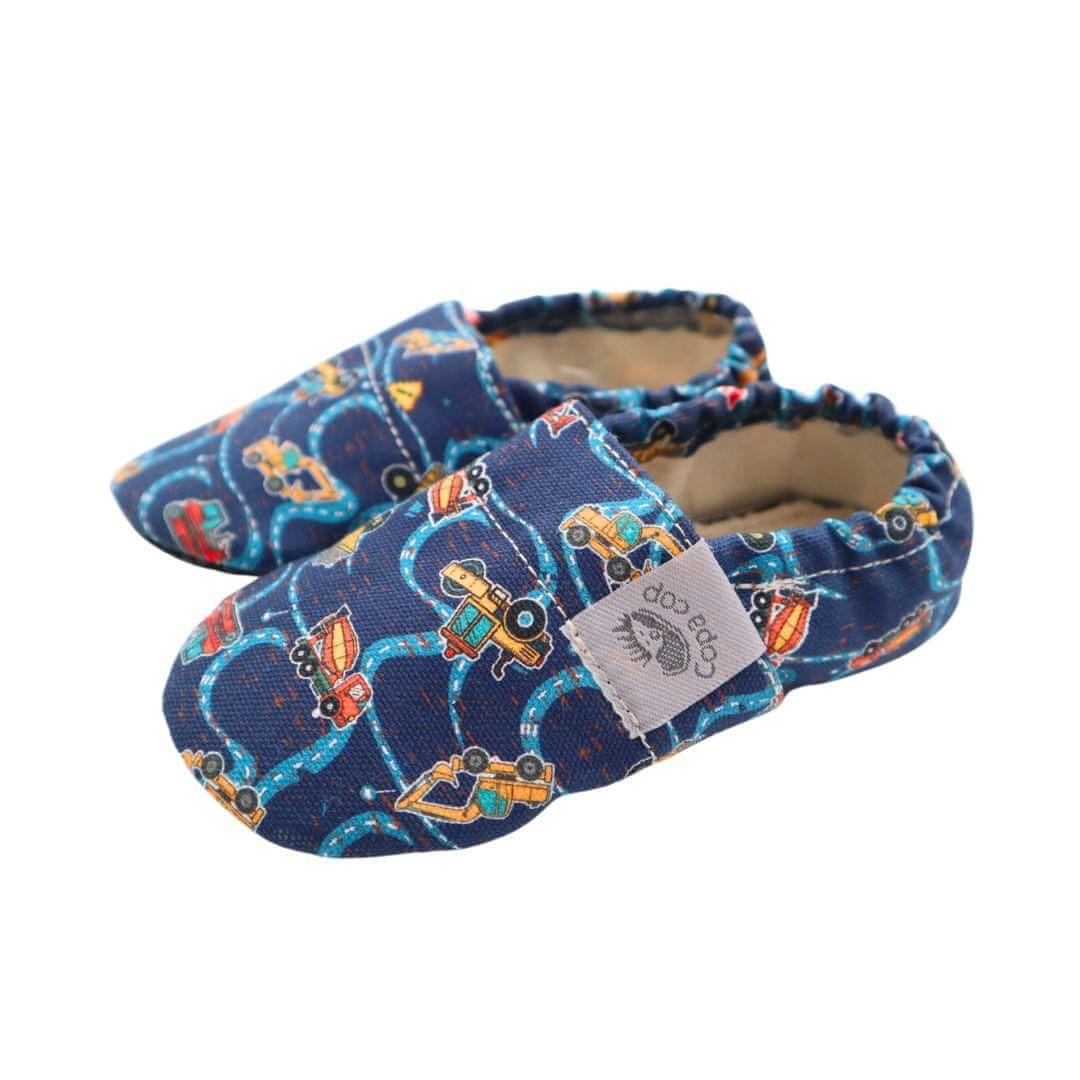
For children who are fascinated by vehicles, the Barefoot Trucks children's textile slippers are a practical and playful solution. They use the same textile base as the previous two models, but the pattern appeals to children who otherwise resist putting on slippers.
Older elementary school children who wear slippers during physical education or while playing in the hallway also need a more durable material. This is where the leather models from the Boy’s Uni line come in. The Boy’s Uni Football boys' leather slippers are intended for boys who are active all day, while leather withstands more rubbing than textile.
The same applies to the Boy’s Uni Gaming boys' leather slippers, which are popular with children who value appearance more than a ball motif; the construction and material are the same as in the sports-patterned models. The Boy’s Uni Handball boys' leather slippers complement the same series with a motif that appeals to young athletes.
For children who need something between textile and leather - lightweight, but with a more urban design - the Urban boys' textile slippers are a good middle ground. The simple design without excessive patterns suits older elementary school children who already choose their own look. The Camo boys' textile slippers play a similar role, with a camouflage pattern that appeals to boys who no longer like classic motifs, while the material and fit remain the same as in the Urban model.
The common thread among all those mentioned is a flexible sole and sufficiently breathable material for long school hours. The main difference lies in durability (leather lasts longer with intensive use) and how quickly a child can put them on independently (textile is usually easier for young children to put on by themselves).
Checklist: what to check before buying an alternative
When looking for an alternative to rollyslippers, it helps to have a specific checklist at hand, rather than just a general feeling that “they are soft and look good.” Below are the points that actually determine whether a child will happily wear a pair of slippers or throw them in a corner after a week.
- Check the 10–12 mm rule. After measuring your child's foot, there should be approximately 10 to 12 millimeters of space between the toes and the toe of the slipper, which corresponds to the width of an adult's thumb. Too much space means the foot slides inside the slipper, while too little restricts growth and can cause discomfort.
- Bend the sole by hand. Hold the slipper at both ends and try to bend it at the middle of the foot. If it bends where the foot also bends (under the toes), the construction is good. If the slipper bends in the middle of the sole or does not bend at all, the child’s foot does not receive natural support while walking.
- Check the material by touch. Natural fibers such as cotton, wool, and leather breathe and reduce excessive sweating, which is quite important for footwear worn throughout the school day.
- Check the sole for grip. A lightly textured rubber sole prevents slipping on parquet or linoleum in school corridors, which are often slippery, especially in rainy weather.
- Ask about the return conditions. Since children’s feet grow unevenly, it is useful to know whether the seller allows size exchanges without additional costs.
Expert advice: Do not give your child new slippers to wear for the entire school day right away. During the first few days, they should wear them at home for a few hours so that their foot and muscles can gradually adapt to the new sole and shape before wearing them all day at school.
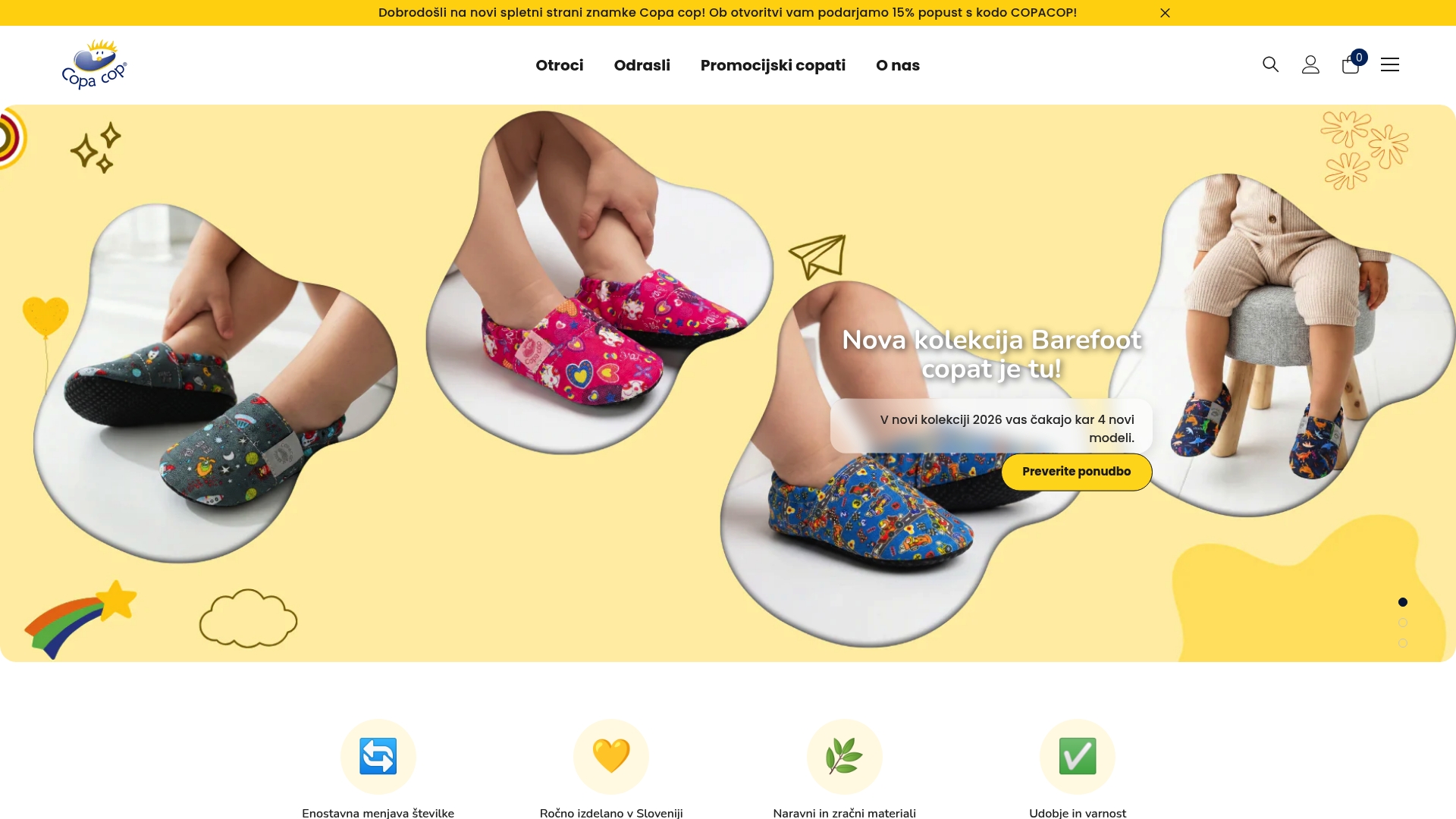
At Copa cop, you can also take advantage of the option to exchange or return items, as well as free shipping on orders over 50 euros, making an online purchase less risky, even if you choose the wrong size the first time.
The final, often overlooked point is safety when walking on stairs and smooth floors. Slippers without a heel or with a loose tongue can slip off the foot while running down the hallway, so check whether the model provides enough ankle grip without being too tight.
Leather or textile: how materials affect a slipper’s internal climate
Material is not merely an aesthetic choice; it affects how a child’s foot feels after six hours in a school classroom. Natural materials such as leather, cotton, and wool improve the footwear’s breathability and reduce sweating, which is more important in indoor slippers than it may initially seem.
Synthetic materials have their advantages, especially affordability and easier washing, but they allow less air to pass through. For a child who runs intensely around the gym or playground inside the school, this means more sweating and consequently a greater risk of unpleasant odors.
- Leather is resistant to abrasion and withstands everyday use well throughout the entire school year.
- Cotton and wool textiles are lightweight, dry quickly, and are easy to maintain.
- Synthetic materials are inexpensive and waterproof, but they breathe less well during extended use.
- Combined materials (leather on the outside, textile lining inside) combine durability with comfort.
A damp and warm environment inside a slipper is an ideal breeding ground for fungi, which cause unpleasant odors and skin irritation between the toes. Natural materials reduce this risk because they release moisture into the air more quickly, while synthetic materials are more likely to retain it against the foot.
For the Slovenian school environment, where children wear slippers from September to June in heated classrooms, a combination makes sense: a textile model for younger children, who often take their slippers off and put them on themselves, and a leather model for older primary school children, who are active all day. If you would like a more detailed explanation of which materials actually breathe and why, see the guide to breathable materials in children’s slippers.
How to measure a child’s foot correctly at home
Measuring the foot is the one step parents most often neglect, even though it determines whether the slippers will be comfortable or end up unused in the closet. The process takes less than five minutes, but it is worth doing accurately.
- Measure in the evening, not in the morning. The foot swells slightly during the day from walking and standing, so the length measured in the evening is more realistic for all-day use.
- Measure both feet separately. Almost every child has one foot that is slightly longer than the other, which is perfectly normal.
- Choose the size based on the longer foot. If the difference between the feet is noticeable, always choose slippers that fit the larger measurement.
- Compare with the slipper’s inner length, not the marked size. Manufacturers sometimes measure inner length slightly differently, so the most reliable approach is to compare the sole length directly with the foot.
- Add room for socks using the thumb-width rule. There should be the aforementioned 10 to 12 millimeters between the toes and the tip, which approximately corresponds to the width of an adult thumb held upright.
With thicker winter socks, it makes sense to choose the upper end of the recommended size range, while thinner summer socks do not need the extra room because of their lower thickness. Children’s feet also grow unevenly, faster in spring and autumn, so it is worth checking foot size again every two to three months, not just once a year before the start of school. You can find a more detailed size-to-centimeter conversion table in the footwear size conversion guide, and if you are looking for a quick solution for the youngest children, also see the practical guide to measuring a three-year-old.
Slipper care: how to extend their lifespan
Slippers that you care for properly last one school year or longer, regardless of the material. The only difference is how you approach washing and maintenance.
- Textile slippers can usually withstand washing in the washing machine at a low temperature (up to 30 degrees), but we recommend air-drying them, as the tumble dryer can damage the glued parts of the sole.
- Do not put leather slippers in the washing machine. Clean them with a damp cloth and mild soap, then let them air-dry away from the radiator.
- Regularly waterproof leather with conditioning wax or cream to prevent cracks and preserve the material's softness.
- Unpleasant odors in textile slippers can often be eliminated with baking soda, which you sprinkle inside overnight and shake out in the morning.
- During the summer, store winter slippers in a dry place away from direct moisture to prevent mold on the sole.
Expert advice: If your child has an abrasion on their heel or toe after just a few weeks, do not delay repairing it. You can often glue minor stitching or detached edges on textile models yourself with textile glue before the damage spreads to the entire seam.
Leather or textile depending on the child's age and intended use
The choice between leather and textile does not end with the material itself; it is closely connected to how much the child moves and how independent they are when putting on slippers.
- Toddlers and preschool children need textile slippers that they can easily put on themselves and that can be washed frequently, since children at this age get dirty more often.
- First- and second-graders who are still learning to put on slippers independently also manage better with textile models with an elastic opening.
- Older primary school children who are constantly moving during breaks and physical education need the durability of leather, which can withstand more rubbing against floors and walls.
- Children with a more intensive schedule of extracurricular activities (dance, indoor gymnastics) are often better served by leather models because of their longer lifespan.
In practice, this means that the same child will probably move through at least two types of material during the four years of primary school, depending on how their needs and independence with putting on slippers change.
My view: why choosing an alternative is a sensible decision
Parents often think that one brand is simply better than another because it is better known or because a neighbor recommends it. In practice, it is more important that the slipper suits the specific child, school, and season than which brand is written on the box.
When working with Copa cop models, I noticed that parents praise two things most: how easy they are for younger children to put on and the fact that the slippers do not stretch out after a few weeks, as cheaper synthetic models do. Less prominently, but just as importantly, is the reassurance of being able to exchange them if the initial size choice turns out to be wrong, which happens more often than we would like with growing children's feet.
Conventional wisdom says that appearance is the most important factor because the child chooses the slippers themselves. The truth is that appearance determines the initial excitement, while the sole and material determine whether the child will still be wearing the slippers a month later. The rollyslippers alternative is not a question of brand loyalty, but of which pair actually follows the child's foot throughout the entire growth season.
— Črt
Where and how to order the right size of Copa cop slippers
Once you know which material and size suit your child, placing the order is quick and easy. The option to exchange or return the product and the conditions for free shipping can make online shopping less risky.
For kindergarten and younger primary school children, take a look at the textile slippers Barefoot Hearts or textile slippers Barefoot Panda, both models with easy slip-on design. For children attracted to vehicles, the Barefoot Trucks model is an interesting option. Older boys who need a more durable material can choose from the leather slippers Boy’s Uni Nogomet, Boy’s Uni Gaming or Boy’s Uni Rokomet, while slippers Urban or slippers Camo are available for those who prefer a simple textile look.
Before confirming your order, check the measured foot length against the size chart on the product page once again. If you are unsure between two sizes, choose the larger one, as a smaller slipper is always a worse choice than one with a little extra room for growth.
Sources
When deciding on the right size and material, it is worth relying on trusted sources, not just recommendations from online forums.
The Ljubljana Marathon Running Center explains in detail the rule of thumb width when measuring the foot, which applies equally to children's and adult footwear. Trail Lajf emphasizes why comfort is a more important criterion than appearance. Reporter explains the role of natural materials in the interior climate of footwear. For a more in-depth explanation of the shape of the toe area and its impact on foot health, see also the article about the shape of the toe area of slippers, while a broader overview of materials and constructions is also available in this overview of bathroom and similar footwear.
- How to choose good running shoes? | Running Center | NLB Ljubljana Marathon
- How to choose the right slippers for your feet? Check out three tips for men! – Reporter


