

Suitable Footwear for Children: A Guide for Parents
Suitable footwear for children is that which provides comfort, allows natural foot movement, and ensures proper support for healthy leg development. The wrong choice is not only uncomfortable but can also affect the child's posture, walking, and foot arch development in the long term. Parents often choose between comfortable, anatomical, and orthopedic footwear without knowing which differences are key. This guide explains what really matters when choosing children's slippers for school and leisure and offers practical tips you can use immediately for your next purchase.
What features must suitable children's footwear have?
Suitable children's footwear has a flexible sole, enough room for the toes, and materials that allow the foot to breathe. These are three features without which no footwear deserves a place in a child's wardrobe.
Toe space and correct size
There must be toe width space between the tip of the shoe and the child's big toe. This is not just a recommendation but a requirement for natural toe spreading while walking. Too small footwear squeezes the toes together and over time causes deformities.
Sole flexibility and arch support
A flexible sole is essential for children because the foot needs freedom of movement during development. A stiff sole forces the foot into an unnatural position and hinders muscle strengthening. Arch support is beneficial but should not be overly rigid in healthy children.
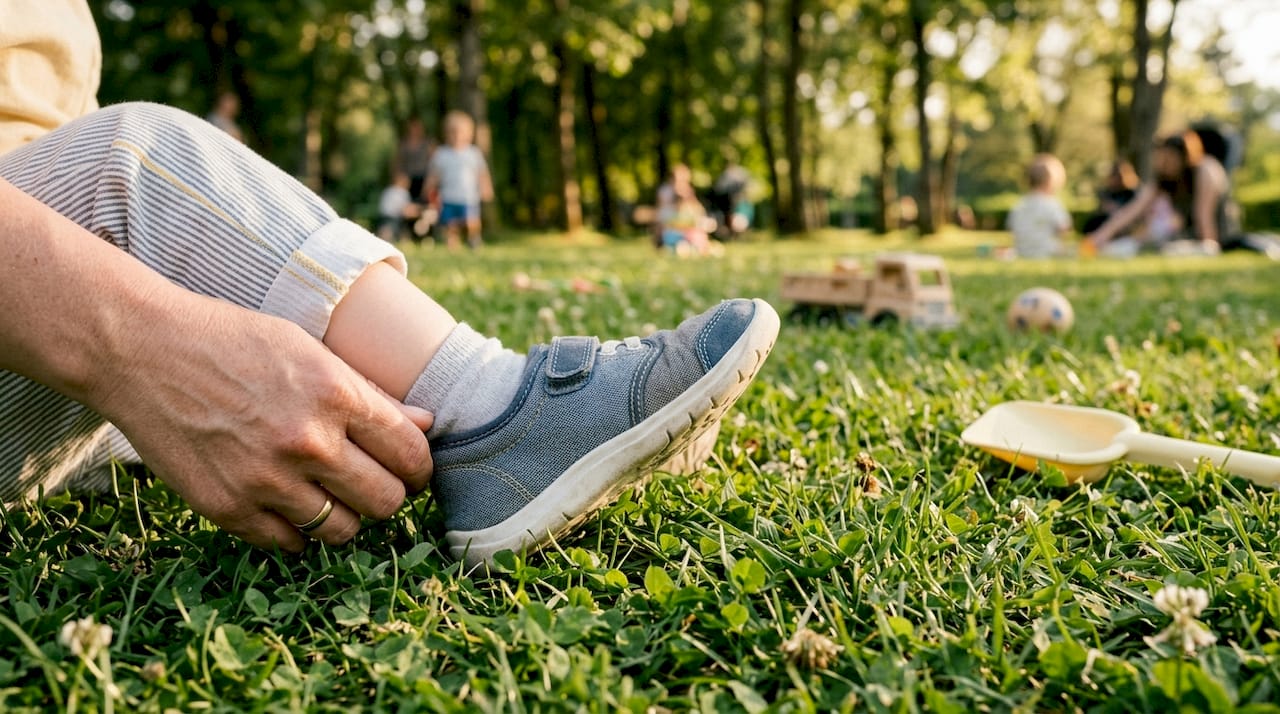
Anatomical, orthopedic, or comfortable footwear?
Comfortable footwear is not the same as orthopedic. Comfortable footwear is soft and pleasant, while orthopedic footwear has structured support for treating medical conditions. Anatomical footwear is an intermediate option: it supports the natural function of the foot without the rigidity of orthopedic shoes. For children with healthy feet, anatomical footwear is the most suitable for everyday wear.
- Flexible sole: footwear should bend at the toes, not in the middle
- Wide front part: toes need space for natural spreading
- Light materials: footwear should not be heavy to avoid tiring the child's feet
- Stable heel: the heel must be firmly held, not squeezed
- Ventilation: natural textile or mesh prevents sweating
Expert advice: Check the footwear by bending it with your hands. If it bends at the toes and not in the middle, the sole is flexible enough for children's feet.
How to choose slippers for school, casual wear, and hiking?
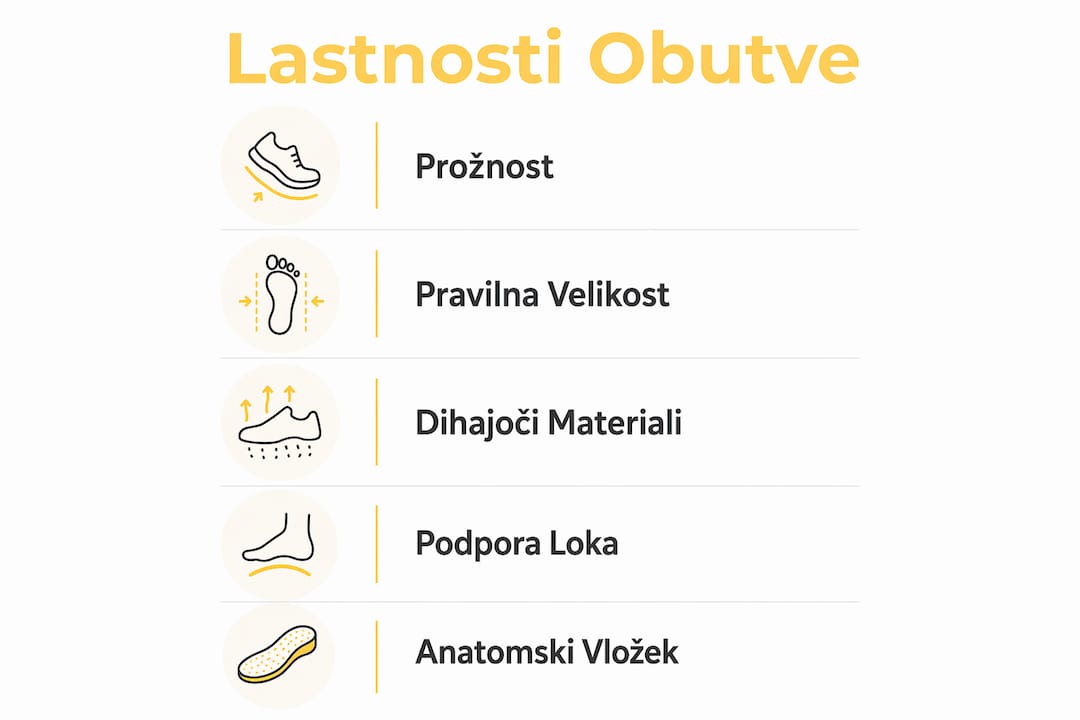
Each activity requires different footwear. School slippers, casual shoes, and hiking footwear each have their own requirements that parents often overlook.
School slippers
School slippers must be light, breathable, and easy to put on. Children wear them most of the day indoors, so comfort is a priority. Velcro or elastic fastening is practical because children often take slippers off and put them on by themselves.
- Lightweight upper made of textile or soft leather
- Easy fastening without laces for younger children
- Thin but cushioning midsole layer
- Neutral or cheerful colors that comply with school rules
Casual footwear
Casual footwear must withstand playground play, running, and everything a child imagines. Durability is as important as comfort here. A reinforced front part protects toes from impacts with stones or edges.
- Reinforced front part to protect toes
- Thicker sole for various surfaces
- Materials that dry quickly after rain or wet grass
Footwear for hiking and recreation
For everyday walking and moderate activity, footwear with a flexible sole and a wide front part is most suitable. For light hiking, quality sports shoes with good sole grip are sufficient. Children only need proper hiking boots with high ankles for more demanding terrain and longer routes.
Seasonal adjustment
Summer footwear should be as breathable as possible, while winter footwear should be warm and waterproof. A common mistake parents make is buying one type of footwear for all seasons. Children's feet sweat faster in summer heat than adults', so ventilation is especially important in summer.
Which materials provide comfort and foot health?
Materials determine how the footwear feels on the foot and how long it lasts. Natural textiles and lightweight foams on the soles provide good ventilation, flexibility, and cushioning, which are key for the comfort and health of children's feet.
Upper part of footwear
Natural textile is the best choice for the upper part of children's slippers. The skin breathes, moisture does not accumulate, and the foot stays dry. Synthetic materials are often cheaper but less breathable.
Sole and cushioning
A light and flexible sole reduces strain when walking and running. A thicker foam midsole cushions every step. Too hard soles transfer shocks directly to the joints.
Anatomically shaped insole
An anatomically shaped insole supports the foot arch and distributes pressure evenly across the entire foot. For children with healthy feet, this is sufficient without the need for medically prescribed orthopedic footwear.
| Feature | Recommended solution |
|---|---|
| Breathability | Natural textile or mesh upper |
| Flexibility | Light foam midsole |
| Cushioning | Thicker foam at the heel and front |
| Arch support | Anatomically shaped insole |
| Toe protection | Reinforced front part in casual footwear |
Expert advice: When buying, compare the weight of the shoes in your hand. A child's slipper should not weigh more than 200 grams, or it will tire the feet during prolonged wear.
How to properly check the size of children's shoes?
Incorrect size is the most common mistake when buying children's shoes. Children rarely say the shoe is tight because they are used to discomfort or simply cannot describe it.
- Measure feet in the evening. Feet are up to half a size larger in the evening than in the morning because they swell slightly during the day. Morning measurements often lead to shoes that are too small.
- Check toe space. When the child is standing, there should be at least one centimeter of space between the toes and the tip of the shoe. This allows natural toe movement.
- Watch the heel. The heel must be firmly held without slipping up while walking. Heel slippage causes blisters and instability.
- Test walking. Let the child take at least ten steps in the new shoes. Observe whether they walk naturally or adjust their step.
- Consider growth. Children's feet grow quickly, so check the size every two to three months. Shoes that fit in September may be too small by January.
Immediate comfort at first wear is the best measure of the right choice. Footwear that is not comfortable right from the first use will not get better with time.
What should parents know about barefoot footwear for children?
Barefoot footwear is not just a fashion trend. It encourages activation of the foot and ankle muscles, leading to better stability and posture and reducing strain while walking. This is especially valuable for children because their foot muscles develop during the first years of life.
Difference between barefoot and traditional footwear
Barefoot footwear has a very thin and flexible sole that transmits ground sensations to the foot. Classic shoes have thicker soles with more cushioning, which reduces these sensations. Neither is absolutely better; each has its place depending on the activity and the child’s needs.
Gradual introduction is mandatory
A sudden switch to barefoot footwear can cause pain or injury. Muscles and tendons used to classic shoes need time to adjust. Start with short walks in barefoot shoes and gradually increase the distance.
- Start with 15–20 minutes daily on soft surfaces like grass or parquet.
- Avoid hard concrete surfaces during the first weeks.
- Watch if the child reports pain in the feet or calves.
- After two to three weeks, gradually increase wearing time.
- Barefoot footwear is suitable for walks of 5–15 km with proper adjustment.
Expert advice: Children who have walked barefoot at home from an early age adapt faster to barefoot footwear. If a child isn’t used to walking without thick shoes, allow at least a month for gradual transition.
Key findings
Proper children’s footwear combines a flexible sole, enough toe space, natural materials, and the correct size, which should be checked regularly due to rapid foot growth.
| Point | Details |
|---|---|
| Flexible sole | Shoes should bend at the toes for natural foot movement. |
| Toe space | There should be at least one centimeter of space between the tip of the shoe and the big toe. |
| Natural materials | Textiles and lightweight foams provide ventilation and comfort all day long. |
| Regular measuring | Children’s feet grow quickly; check the size every two to three months. |
| Gradual transition | Introduce barefoot footwear slowly, starting with short walks on soft surfaces. |
Why comfort in children’s footwear is not the same as softness
Stripes, Copa-cop
When parents come to us asking for "soft slippers," they often mean comfort. But comfort and softness are not the same. Soft shoes without structure don’t support the foot. Shoes that feel firmer to the touch but are anatomically shaped are often more comfortable for a child after a full day of wear.
I noticed that parents often buy shoes they like, not what suits the child. They choose nice colors, trendy models, or well-known brands but don’t check if the shoes bend at the toes or if there’s enough room in the front. The child can’t express this, and the parent doesn’t notice until the child starts walking oddly or complains of pain.
Barefoot footwear initially surprised me. I thought it was too thin for everyday wear. After seeing children wear it gradually, I changed my mind. Their feet strengthened, and walking became more natural. The key was gradual introduction. Those who switched overnight had problems.
My advice to parents is simple: trust the child's feeling, not the appearance of the shoes. If the child says after the first wear that they are tight or uncomfortable, listen to them. Immediate comfort on first wear is the best measure we have. No shoes "break in" to comfort.
— Črt
Copa-cop children's Barefoot slippers: comfort that children feel immediately
Copa-cop is a Slovenian company that has been creating children's slippers for years with one goal: to allow the child's foot to develop naturally, without unnecessary restrictions. Barefoot textile slippers are made from natural, breathable materials that allow the foot to breathe throughout the school day.
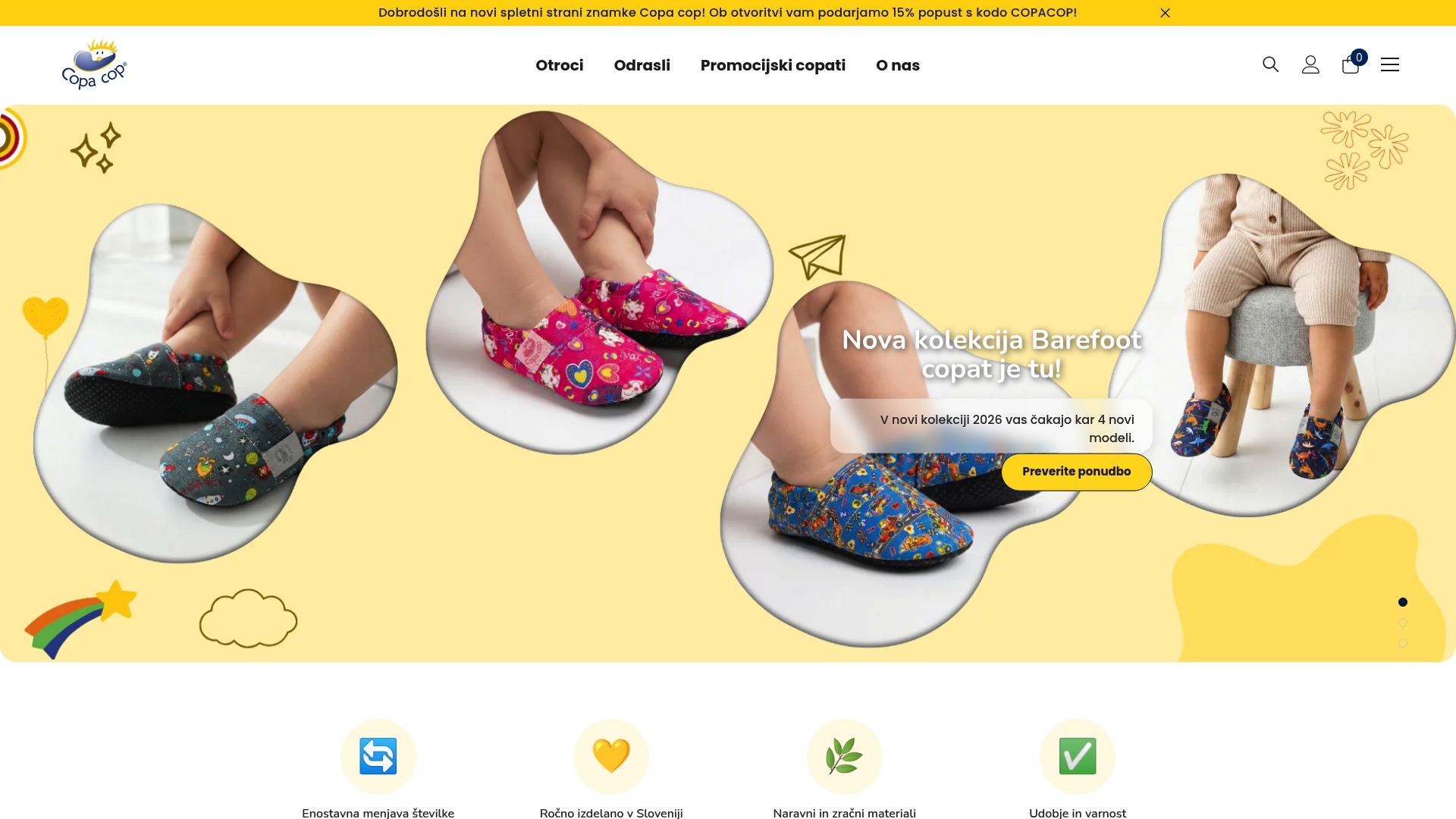
Each model has an anatomically shaped insole, a flexible sole, and enough space in the front for natural toe splay. There are models for girls and boys in various patterns, from Dino slippers to Space models, which captivate children at first sight. Copa-cop offers free shipping on purchases over €50 and the option to exchange or return, making the purchase risk-free.
Frequently asked questions
How do I know if the slippers are the right size?
There should be at least one centimeter of space between the tip of the slipper and the child's big toe, and the heel must be firmly held without slipping. Check the size in the evening when the feet are slightly larger.
What is the difference between anatomical and orthopedic shoes?
Anatomical shoes support the natural function of the foot in healthy children, while orthopedic shoes are medical aids for treating specific conditions. Healthy children do not need orthopedic shoes.
Are barefoot shoes suitable for school?
Barefoot shoes are suitable for school if the child gradually gets used to wearing them. Start at home on parquet floors, then move to the school environment.
How often should I check my child's shoe size?
Children's feet grow quickly, so check the size every two to three months. Shoes that fit at the beginning of the school year are often too small by the winter holidays.
Are textile slippers durable enough for everyday wear?
High-quality textile slippers made from natural materials withstand everyday wear at school and home. The key is that they are well-stitched and that the sole has enough grip for different surfaces.


