

Washing textile sneakers: quick, safe, and worry-free
Yes, you can safely wash textile slippers, including in a washing machine, if you follow a few simple rules. First remove the insoles and laces, place the slippers in a mesh bag, choose a gentle cycle at a temperature of approximately 30 °C or lower, and air-dry them without using a tumble dryer. Washing textile slippers is actually very easy if you know where the pitfalls are.
Brief warnings before you begin:
- Do not put leather slippers, slippers with shaped insoles, or slippers with strongly glued soles in the machine.
- Never use bleach or fabric softener, as both damage the fabric and reduce the material's breathability.
Expert tip: Before washing anything, check the seam between the upper part of the slipper and the sole, where you can find helpful advice on hand washing and footwear care. If the adhesive has already started to crack, choose hand washing rather than machine washing.
Key takeaways
Safe washing of textile slippers is based on a low temperature, a gentle cycle, a mesh bag, and air-drying without heat.
| Point | Details |
|---|---|
| Preparation is key | Remove the laces, insoles, and dirt before putting the slippers in the wash. |
| Machine settings | Gentle cycle, a temperature of around 30 °C, and low or no spin. |
| The right detergent | Use a mild liquid detergent; avoid powders and fabric softeners. |
| Drying without heat | Stuff the slippers with paper and dry them in the shade, away from radiators. |
| Product selection | Copa Cop textile slippers have removable insoles for easier washing. |
Table of contents
- When can you put textile slippers in the washing machine?
- How to prepare slippers before washing
- Step by step: washing textile slippers in the washing machine
- How to hand-wash delicate or decorated slippers
- Drying and caring for slippers after washing
- What to do if odors or stubborn stains appear
- Why choosing the right detergent matters more than it seems
- What to do when dealing with difficult-to-remove stains
- How to disinfect slippers and remove bacteria
- When washing no longer helps: when it is time for new slippers
- Sources
When can you put textile slippers in the washing machine?
Machine washing is safe for slippers made of fabric, plush, textile blends, and synthetic fibers, as long as they do not have sewn-on rhinestones, feathers, or other delicate decorations. Plush textile slippers are a typical example of footwear that can handle such a wash cycle without difficulty, as are Copa Cop textile slippers, whose insoles can usually be easily removed before washing.
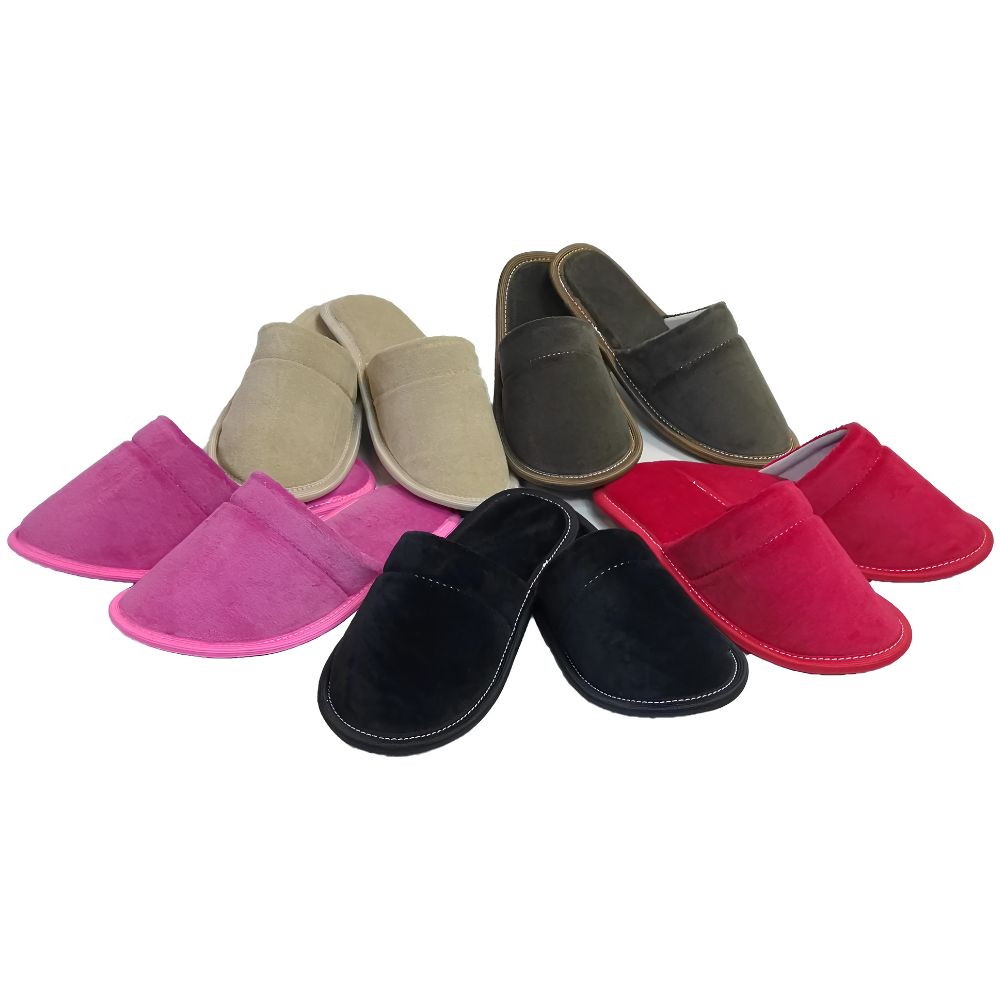
Check the label on the inside of the tongue or on the sole. A symbol showing a washing machine means the manufacturer has approved machine washing, while a crossed-out symbol means you should avoid it.
Some materials are best avoided altogether:
- leather or faux-leather parts that harden in water and may crack,
- shaped or molded insoles that lose their shape in the machine,
- strongly glued soles, where hot water loosens the adhesive,
- metal decorations, buckles, or patches that could damage the drum.
Manufacturers often advise against machine-washing these types of footwear, so when in doubt, it is always safer to choose hand-washing.
How to prepare slippers before washing
Preparation is the part that most often determines whether the slippers will look like new or worn after washing. According to City Magazine, thorough preparation of the slippers, including removing dirt and separating the parts, significantly improves the final result and reduces the risk of damage.
- Use a dry brush or an old toothbrush to brush off mud and surface dirt.
- Remove the laces and removable insoles, as they can easily become tangled or damaged in the machine.
- Pre-treat stubborn stains locally with a mild product or a little baking soda.
- Place the slippers in a mesh bag or clean pillowcase.
Wash the insoles and laces separately, preferably by hand in lukewarm water with a little detergent.
Expert tip: If the slippers smell unpleasant, sprinkle two to three teaspoons of baking soda inside them overnight. The soda absorbs moisture and odour; simply shake it out in the morning before continuing with the wash.
Additional protection for the washing machine:
- add an old towel or sheet to the drum alongside the slippers,
- this cushions the slippers’ impact against the drum wall and reduces the risk of the machine becoming unbalanced.
Step by step: washing textile slippers in the washing machine
Once the preparation is complete, the washing-machine process itself is quick. Follow this sequence:
- Place the slippers in a mesh bag or pillowcase.
- Add one or two old towels to the drum to cushion the impact.
- Select a gentle programme (often labelled for delicate laundry or hand-washing).
- Set the temperature to around 30 °C and the spin cycle to low or off.
- Add a small amount of mild liquid detergent.
- Start the programme and wait; do not speed up the cycle with a higher temperature.
Before pressing the button, quickly check:
- the laces and insoles have actually been removed,
- the slipper is in a mesh bag,
- the temperature is really set to 30 °C or lower,
- there is no bleach or fabric softener in the dispenser.
Higher temperatures and a powerful spin cycle can separate the adhesive between the sole and the upper part of the slipper, so this step is not just a formality. A temperature of around 30 °C is the limit at which the detergent still cleans the fabric effectively enough while the fabric and adhesives remain undamaged.
How to hand-wash delicate or decorated slippers
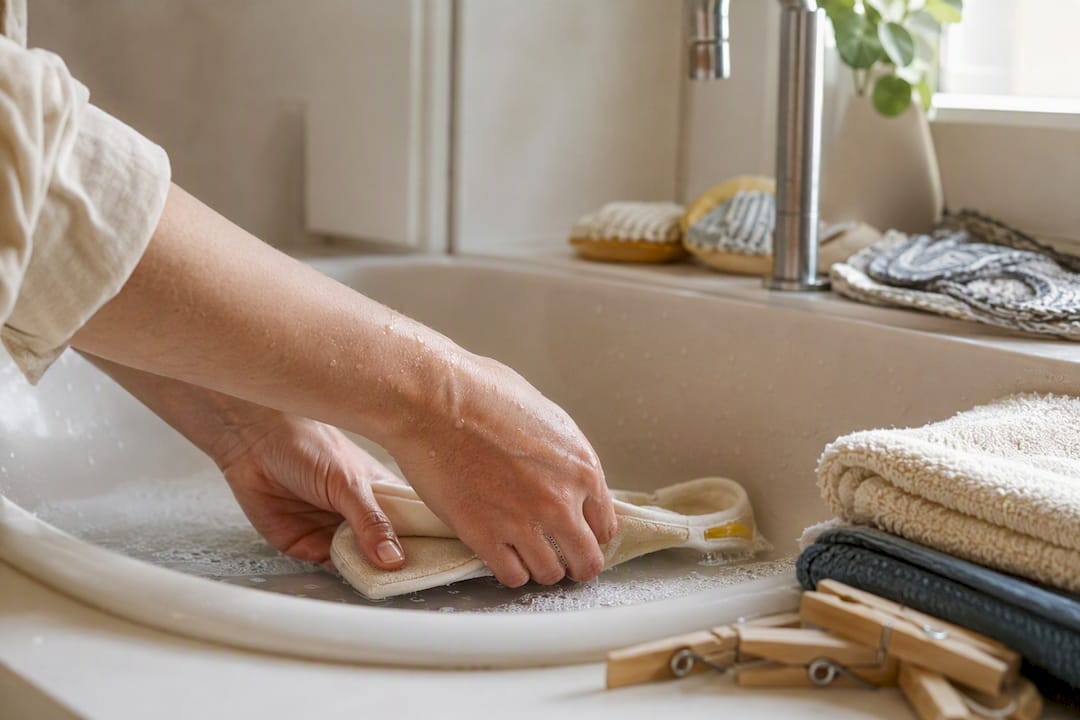
When the slippers have laces, embroidery, glued decorations, or special materials, hand-washing is safer than using a machine cycle.
- Add a little liquid detergent to cold or lukewarm water and mix well.
- Submerge the slippers for a few minutes to loosen the dirt.
- Gently scrub dirty areas with a soft brush or old toothbrush.
- Rinse thoroughly under running water until all the suds are gone.
- Gently press the slippers in a towel to remove excess water without distorting their shape.
Here too, wash the laces and insoles separately from the slippers themselves.
Expert tip: After hand-washing, immediately stuff the slippers with paper so they do not lose their shape while drying, just as with machine-washed slippers.
Drying and caring for slippers after washing
Drying is the step where most people make mistakes and damage slippers that were otherwise washed correctly. Heat drying is a common mistake, as adhesives can melt and materials can harden and become stiff.
- Stuff the slippers with newspaper, which absorbs moisture and helps maintain their shape.
- Dry them in the shade, away from radiators, fireplaces, and direct sunlight.
- Replace the paper as needed when it becomes too wet.
- Do not use a tumble dryer, hair dryer, or radiator.
The best practice is to air-dry them in the shade, with the slippers stuffed with paper, away from any source of heat.
Once the slippers are completely dry, you can reapply a protective treatment if necessary, provided the material allows it. To maintain hygiene, it is advisable to wash textile slippers thoroughly approximately every two to three weeks with frequent use, and children's slippers more often, as children's feet sweat more quickly.
What to do if odors or stubborn stains appear
Odors most often disappear with baking soda. Sprinkle it into the dry slipper and leave it overnight, then air the slipper thoroughly. If the odor persists, wash it again and add fresh paper while it dries to absorb any remaining moisture.
For stubborn stains such as grease or dye, machine washing alone is usually not enough.
| Problem | Quick repair step |
|---|---|
| Unpleasant odor | Apply baking soda overnight, then wash and air thoroughly. |
| Stubborn stain | Pretreat with a mild stain remover before washing. |
| Slight shrinkage after washing | Gently stretch the slipper by hand while it is still damp, and shape it with paper. |
For stains that do not disappear after one or two pretreatment attempts, it is wiser to seek professional dry cleaning than to risk repeated aggressive scrubbing, which only wears the fabric down further.
Why choosing the right detergent matters more than it seems
Mild liquid detergents are a better choice than powdered ones when washing textile slippers because they rinse more easily from densely woven material and do not leave a white residue on darker patterns. Powdered detergent tends to remain in the slipper's fibers and can irritate the skin on your foot the next time you wear it.
Skip fabric softener entirely when washing slippers. Fabric softener coats the fibers with a waxy layer, reducing the material's breathability and contributing to unpleasant odors over time—the very thing you are otherwise trying to avoid by washing them.
- Half the recommended dose for a small load is sufficient for one pair of slippers.
- Less detergent also means less foam and easier rinsing.
Expert tip: For children's slippers or sensitive skin, add an extra rinse cycle without detergent to ensure that no residue remains in the fabric.
What to do when dealing with difficult-to-remove stains
Grease stains and dye stains require a different approach than ordinary dirt from walking outdoors, although with slippers this is less likely to be an issue than with outdoor footwear.

For grease stains, first apply a small amount of liquid detergent directly to the stain and gently rub it in with your fingers or a soft brush. Leave it to work for at least 15 minutes before putting the slipper in the washing machine or washing it by hand. Hot water often only sets grease into the fibers, so use lukewarm water during pretreatment.
Color stains, such as those from markers or juice, are easiest to remove if you treat them immediately while they are still fresh. Apply a small amount of mild stain remover intended for delicate fabrics to the stain and wait as directed on the packaging. Only then wash the slipper using the usual procedure.
If the stain has not disappeared after one wash cycle, do not try to dry it with heat right away, as this can permanently set it into the fabric. Instead, repeat the pretreatment and washing before drying the slipper completely. For light-colored textile slippers, it is a good idea to test the stain remover on a hidden part of the fabric to check that the color remains unchanged.
How to disinfect slippers and remove bacteria
The inside of textile slippers is an ideal environment for bacteria and fungi, especially in children’s slippers worn without socks or after exercise. Regular washing at 30 °C removes most dirt, but for proper disinfection, it is advisable to take an additional step.
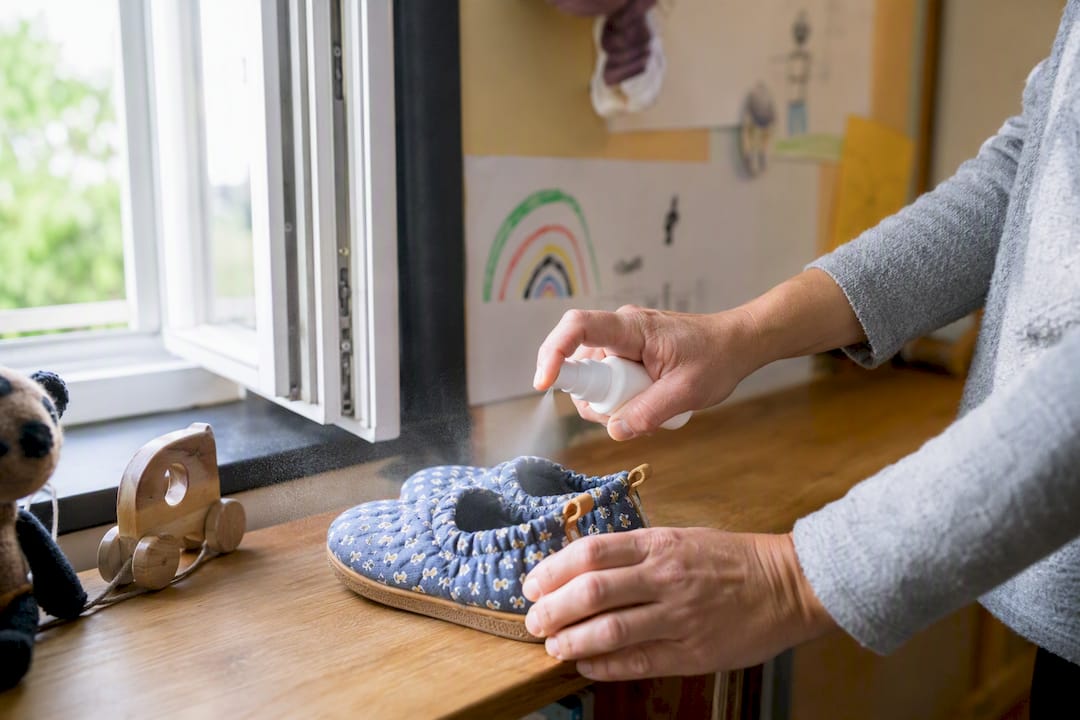
After washing and drying, you can spray the inside of the slippers with a spray designed specifically for footwear and textiles that contains antimicrobial ingredients. An alternative is to sprinkle baking soda inside them overnight before washing, which reduces odors as well as the moisture in which fungi reproduce most easily.
For additional hygiene between washes, make sure the slippers dry completely after each use before you put them on again, as fungi and bacteria thrive best in a warm, damp environment. In families with several children, it makes sense to have at least two pairs of slippers per child so that each pair can dry completely between uses.
A brief tip from my experience with slippers
I wash my textile slippers at home approximately every three weeks, always in a mesh bag, which has preserved the shape of the sole best so far. Slippers such as the Copa Cop textile slippers are designed precisely for this care routine, with insoles that you can simply take out before washing.
When washing no longer helps: when it is time for new slippers
Even with the best care, textile slippers eventually lose their shape, the sole becomes thinner, or the foam in the insole cracks. At that point, it no longer makes sense to invest time in washing and repairing them; it is better to buy a new pair that will be easier to maintain from the start.
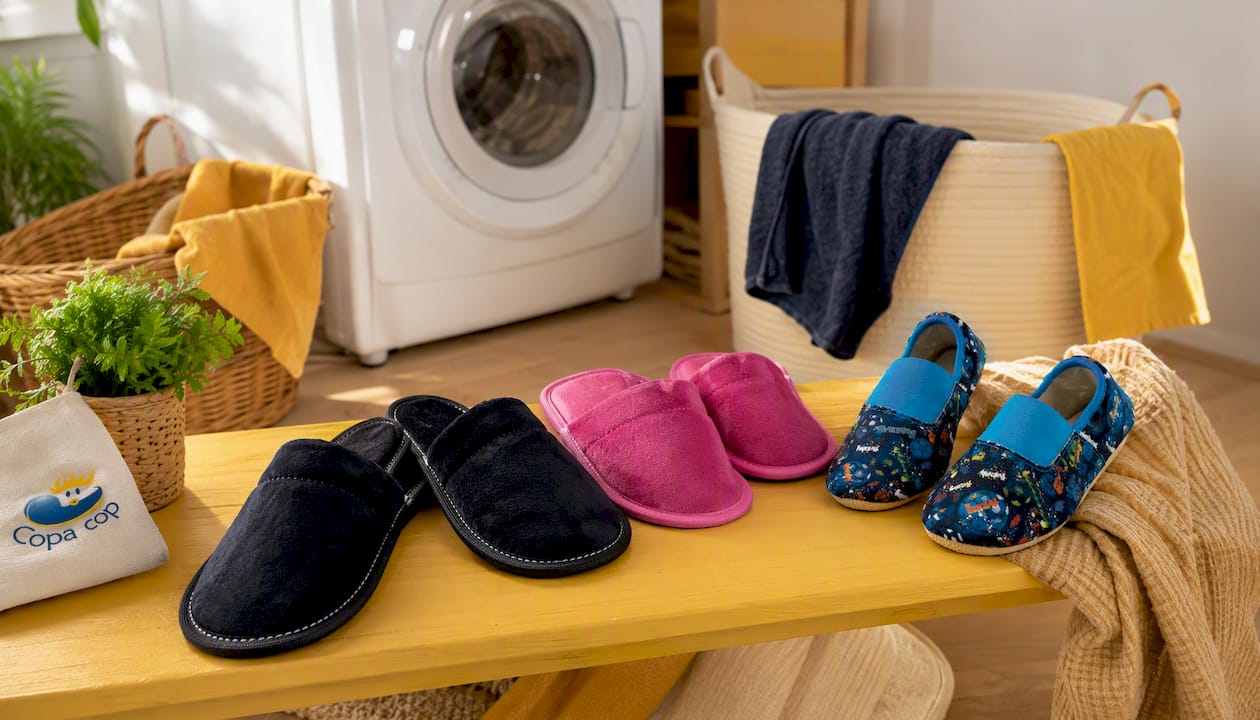
Copa-cop textile slippers are made from natural, breathable materials that release moisture more quickly and dry faster after washing than many synthetic alternatives. The insoles are removable, so you can simply take them out before every wash without them getting tangled in the drum. Plush textile slippers are soft to the touch while also standing up to a regular washing routine, and the Žoga boys’ textile slippers are designed for children who wear them day after day, at home or at school. If you are looking for slippers that can withstand regular washing without losing their shape, explore the selection at Copa-cop and choose a model suitable for your family.
Sources
- A trick for washing trainers properly, then air-drying them – Slovenske novice
- Washing shoes in the washing machine | Lidl


